Key Takeaways
- Developers describe intent in natural language; AI generates production-ready code automatically
- Teams can prototype features in hours instead of weeks by focusing on strategy over syntax
- Developer roles shift toward system architects and AI output validators rather than manual coders
Why It Matters
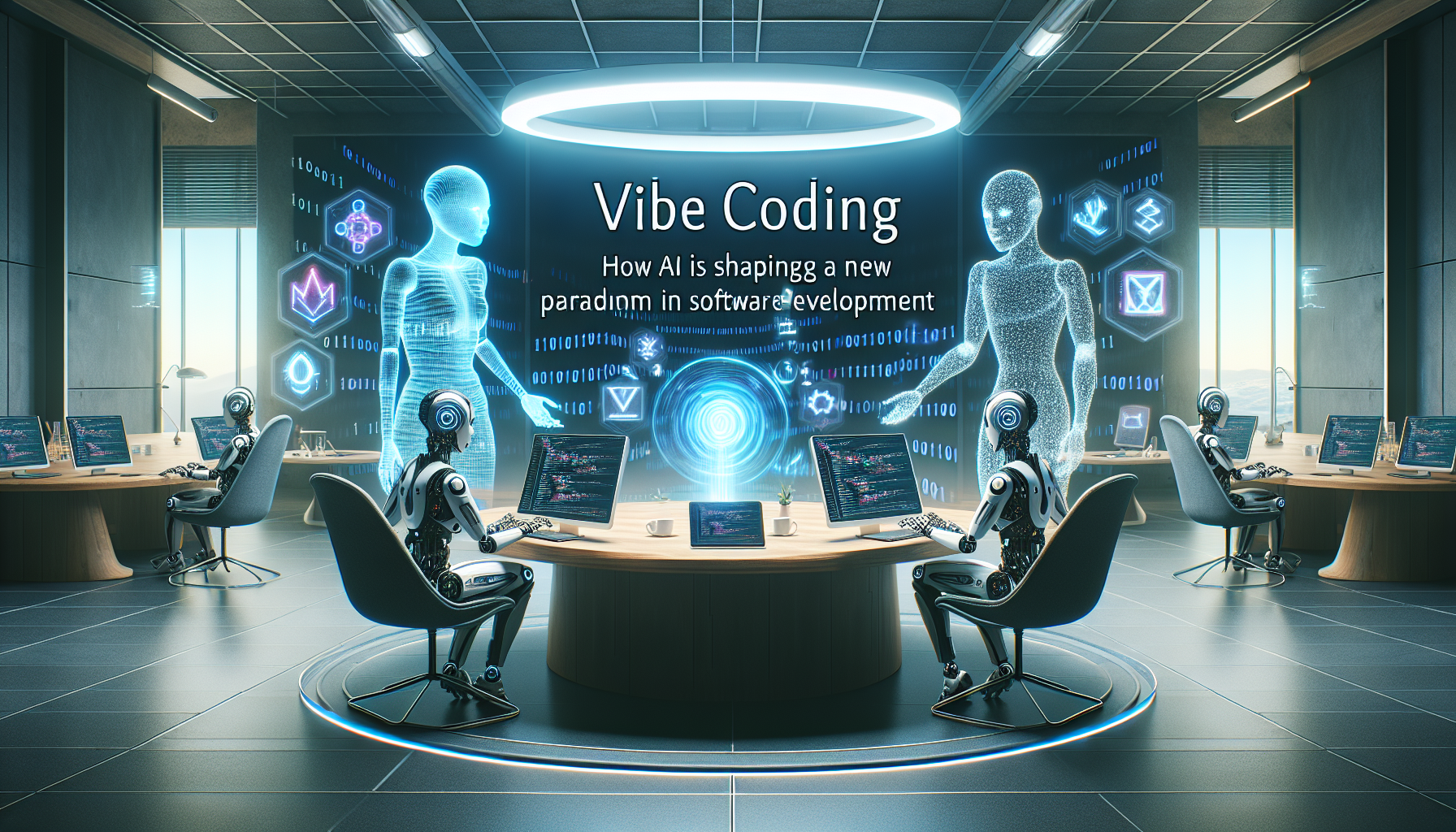
The rise of vibe coding marks a fascinating inflection point where software development becomes less about typing and more about thinking. Instead of developers hunched over keyboards crafting every semicolon, they're becoming conductors of digital orchestras, waving their hands (metaphorically) while AI handles the heavy lifting. This isn't just a productivity hack—it's fundamentally rewiring how humans and machines collaborate in the creative process of building software.
What makes this particularly intriguing is the democratization effect. Domain experts who previously needed a computer science degree to build their ideas can now describe what they want and watch it materialize. This could unleash a wave of innovation from unexpected corners, though it also raises legitimate questions about code quality and security when the humans validating outputs didn't write them. The challenge becomes ensuring that speed doesn't come at the expense of reliability.
For the broader tech ecosystem, vibe coding represents both opportunity and disruption. SaaS platforms that embrace AI-assisted development could offer users unprecedented power to customize and extend functionality. Developer tool companies are scrambling to build the infrastructure needed to validate, secure, and maintain AI-generated code at scale. Meanwhile, engineering teams are grappling with new skill requirements around prompt design and AI governance—proving that even when machines write the code, humans still need to evolve their expertise.